
Small businesses are being urged to deliver mental health training for all line managers to support their employees and help reduce absenteeism and improve productivity,
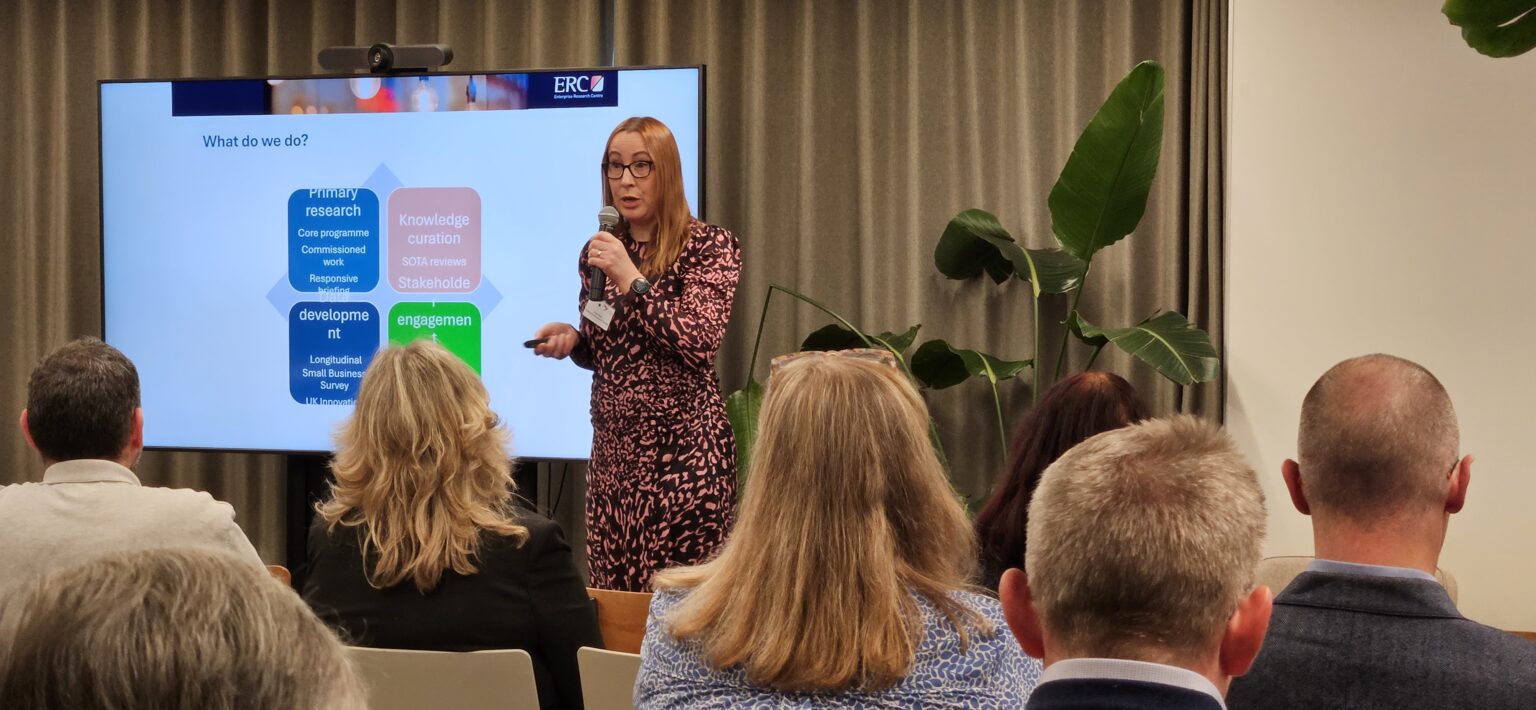
Dr Vicki Belt, deputy director at the Enterprise Research Centre ( ERC) Warwick Business School, presented the results of more than four years’ research into the impact of mental health issues in the workplace to delegates at NEN’s 2024 Annual Conference.
The ERC is the UK’s national research centre for SME growth, innovation and productivity and started looking at workplace mental health following a government review by Lord Stevenson and Paul Farmer which looked at mental health across the UK. It revealed that 300,000 people left jobs each year due to mental health; 15% of people at work had symptoms of existing mental health conditions. Post COVID, the challenges have become more pronounced. It is now estimated that 1.8m workers suffer from work related ill health, and half of that is put down to stress, depression or anxiety.
Dr Belt told delegates; “Why does this matter? It matters because it impacts performance, productivity and effectiveness. This loses key people from workforce, so there is not just a human cost but large annual cost to employers, And it affects entrepreneurs too.”
Delegates heard that a recent Deloitte estimate put the cost of mental health issues in the economy at £51bn per year. This came through absenteeism, presenteeism (people are at work but shouldn’t be, and not performing well) and the consequent reductions in productivity and increases in staff turnover.
“There is a huge business case for ensuring workplace wellbeing, but a lot of evidence gaps in terms of what business can do and what works, which is why we are carrying out research into what are the most effective solutions to make businesses thrive,” said Dr Belt.
And she added that the one aera where firm evidence did exist was that mental health training for line managers is strongly linked to better business performance through spotting mental health issues and providing appropriate support.
Dr Belt also noted that while there had been a significant increase in companies offering support in recent years, with larger firms able to do more, around a quarter of smaller firms surveyed said they couldn’t foresee adopting mental health initiatives.
She added that the top drivers of mental health initiatives in the workplace were HR department and senior leaders, who were using their own experience to drive change.
“We need to learn more about the value of creating more people-centric working environments,” she concluded.
Featured Image Credit: David Easton | www.FanaticFilms.co.uk